
A Spring Bank Nonprofit Feature
Contribute to the “Save Storyland Now” campaign!
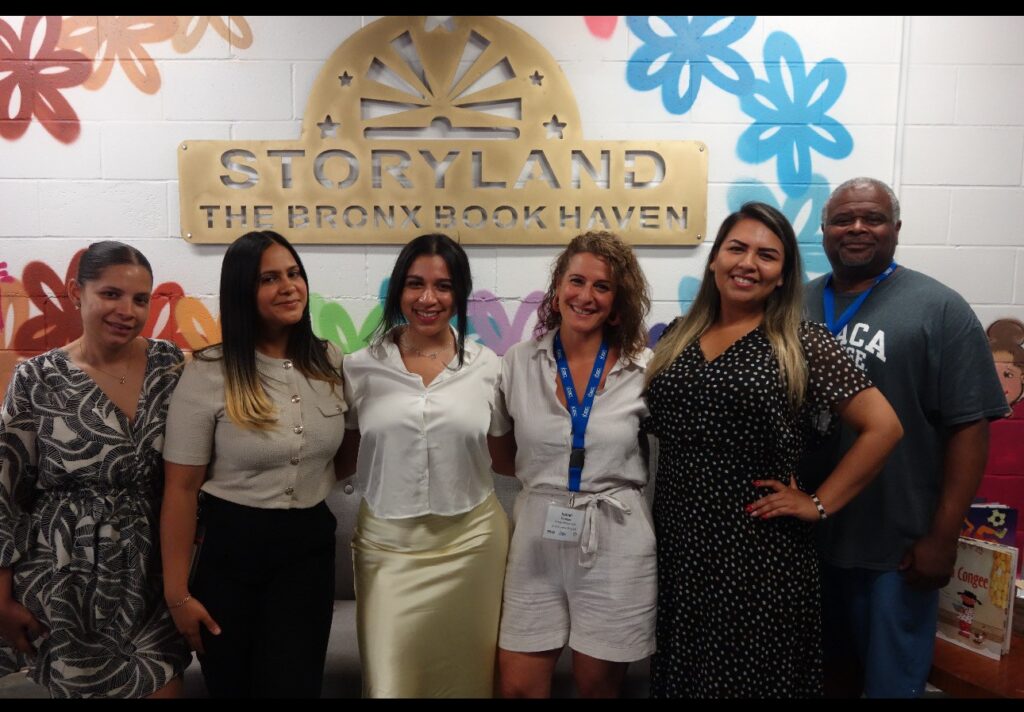
The moment you meet Sulma, you know she’s an unstoppable leader with a vision. Sulma Arzu-Brown is an author, advocate, and the founder and Executive Director of Storyland, a one-of-a-kind children’s book lounge tucked inside the Bronx Terminal Market, and one of our nonprofit banking customers.
No money changes hands, and no doom scrolling happens at Storyland. Kids come in, disconnect from their devices, spend two hours immersed in books – often with live author experiences – and walk out with a complimentary book. Scholastic, Benchmark Literacy, and Harper Collins have all said the same thing about Storyland: they’ve never seen anything like it.
“’Free’ in our community implies cheap quality,” says Sulma. “If you’re sitting in first class on an airplane, they offer you complimentary water. We want our children to understand there’s a difference between free and complimentary. There’s nothing cheap about the people’s hearts who donate the books, and there’s nothing less than about the kids who receive them.”
Where It All Began
The story behind Storyland began with a babysitter who used the term “bad hair” to describe Sulma’s daughter’s curly afro. That moment stuck with Sulma and pushed her to look for a children’s book that her daughter could resonate with, but she couldn’t find one.
The result? Pelo Malo No Existe, or Bad Hair Does Not Exist – Sulma’s picture book that found its way to the national stage via Essence, NBC Black, the Huffington Post, Telemundo, and eventually a national campaign with Unilever. When Sulma saw that no one else was going to tell this story with the integrity it deserved, she put herself in the driver’s seat.
Years later, that same grit led her back to her community — and to Storyland, rooted in the heart of the South Bronx. Still the poorest congressional district in the country, with some of the lowest literacy rates, the Bronx still ranks as the unhealthiest county designation out of 62 in New York. When BTM’s General Manager, Janet Jimenez, showed Sulma an empty space at the Bronx Terminal Market and asked her to write a proposal to secure it, she almost said no. She was unemployed, at one of the lowest points in her professional life, and had no funding, but she wrote the proposal anyway.
Sulma won the proposal, landing a 4,500-square-foot space provided rent-free for two years. And the good news didn’t stop there. The paint was donated by the maintenance team, the furniture came from a cancelled TV set, and the carpet once honored Supreme Court Justice Sonia Sotomayor’s office. Scholastic even became their first book donor.
“I had no plan,” Sulma says, laughing. “But the vision was already in me.”
A Day at Storyland
Today, Storyland brings 30 to 50 students at a time through a two-hour program that includes mindful movement, positive affirmations, a live author reading, and a themed breakout session. Programs have featured authors writing about natural hair, books in braille read aloud by a legally blind child named Wani, and spoken-word sessions where kids wrote and performed their own poetry for the first time.
Storyland has been recognized by the Drew Barrymore Show (twice), and TV personality Sunny Anderson made it the very first stop for her segment, “Sunny on the Streets.” Scholastic, Benchmark Literacy, and HarperCollins have all said the same thing: they have never seen a space or a program like this anywhere in the country. Storyland is, by every account, the first children’s book lounge of its kind in the United States.
What’s Next
The next chapter is already being written. This summer, Storyland launches Tell Your Story, a five-day spoken word curriculum led by three-time Emmy-nominated poet Trey Baker, culminating in a student recital at Kids Foot Locker. Separately, Write Your Story, already underway through May 2027, takes a cohort of 25 students through the process of writing and publishing their own books, to produce five published young authors. When those royalties come in, Sulma wants those youth to have a bank account waiting for them.
“That’s where we’re looking for with the partnership of Spring Bank,” she says. “We want the money to go directly to their accounts. Those kids are going to need to open a checking account, and they’re going to get the proceeds from when people buy their books.”
Sulma’s vision doesn’t stop there, though. She also wants to franchise Storyland, with the hopes that educators will open their own locations.
“I give myself permission to dream now,” she says. “It took a lot to get here.”
Our Partnership
Storyland became a Spring Bank customer not long after they opened their doors in late 2024, and it’s been inspiring to watch them grow. As a community bank in New York that’s dedicated to helping nonprofits prosper, we pay extra attention so that nothing stifles that growth. When check-washing fraud hit Storyland’s account, our team caught it immediately, froze the account, reordered their checkbooks, and kept Storyland from experiencing financial distress.
“Spring Bank has saved us multiple times,” Sulma says. “As a small organization that doesn’t have a lot of money yet, for someone to try to take the little bit we have — that would break us. And you guys are making sure that doesn’t happen. Anytime there’s a red flag, we’re getting a call immediately. I don’t even know how many times I’ve said thank you,” says Sulma.
The feeling is mutual — we, and the entire community, are grateful for everything Storyland is building for the next generation of Bronx youth. We are proud to be Storyland’s banking partner, and we can’t wait to see those young authors’ names in print.
Save Storyland Now
How You Can Help
Contribute to the “Save Storyland Now” campaign!
For nearly two years, the Bronx Terminal Market has generously donated their space. However, the organization has reached a critical crossroads: to survive, they must immediately secure their space by converting the temporary agreement into a paid lease.
While STORYLAND has proudly run on humble donations and volunteer power, they are running out of time. They must raise a minimum of $50K by mid-August to secure this lease. Despite securing some grants and sponsorships, they are simply not enough to keep our doors open. Donate to the “Save Storyland Now” campaign and support Bronx youth!
Learn more about Storyland and support their mission here. Follow them on Instagram to see the poems, the authors, and the kids. If you’re in New York and have a skill, a story, or a few hours to spare, they’re always looking for volunteers.
If you’re a small business or nonprofit looking for a banking partner that’s as invested in your journey as you are, our doors are open. Learn how we can support your growth with tailored small business bank account solutions and mission-driven staff.
In celebration of Small Business Month 2026
May is Small Business Month, but for most entrepreneurs, every day in business is an important one! One of the most useful things a small business owner can do this month, almost halfway through 2026, is to sit down with the numbers and think strategically and realistically about where the business is going.
Financial projections are the tool for that, and you don’t need a finance background or expensive software to get started. All you need are accurate records, your business plan, and a willingness to think through the future in concrete terms. Here are a handful of useful tips:
The Three Documents You Need
Financial projections are structured estimates of what the business will earn and spend over a defined future period. They draw on three documents: a sales forecast that estimates future revenue based on historical patterns, an expense forecast that maps fixed and variable costs going forward, and a cash flow projection that tracks when money will actually arrive and leave. For business owners who maintain a dedicated small business checking account with a clean transaction history, building these projections is significantly easier. Your account records are the primary data source, and well-organized finances produce more accurate forecasts.
Building Your Projections From Scratch
Start with what you already know. Pull the last 12 months of revenue data and look for patterns: which months are stronger, which are slower, and what drives the variation. Identify fixed costs: rent, insurance, loan payments, and permanent payroll. Then, layer in variable costs that move with revenue: inventory, contract labor, transaction fees. The gap between projected revenue and total costs, plotted month by month, is your projected cash flow.
The 6-Month View: Operational Clarity
The six-month projection is the window where you have the most reliable data and the most direct control. Use it to anticipate cash flow gaps before they arrive, plan for upcoming expenses, and make staffing or inventory decisions with a clearer picture of what revenue will support. If a slow period typically arrives in months three and four, a six-month projection makes that visible in advance, when there’s still time to build reserves or adjust expenses before the pressure is on.
The 12-Month View: Growth and Financing
A 12-month projection shifts the lens toward growth. At this point, you’re thinking about hiring, equipment investments, and whether the business’s trajectory supports your goals for the year. It’s also the window most relevant to financing — lenders like us, reviewing a small business loan application, want to see that the business has thought carefully about its financial future, not just that it has performed well in the past. A well-constructed 12-month projection, grounded in real historical data, considerably strengthens your application.
The Three-Year View: Direction Over Precision
A three-year projection will likely be less precise, but it’ll give you the direction you need. You’re making assumptions about market growth, demand, pricing, and capital needs that can’t be predicted with total accuracy.
Three-year projections are most useful when considering significant investment decisions, like a new location, a major equipment purchase, or a key hire. You should also account for debt: if the business plans to take on financing in year two, the repayment obligation needs to be reflected in the year-three cash flow picture.
How Your Banking Relationship Fits In
At Spring Bank, our offerings, including our small business checking accounts, are built to support local small business customers at every stage of their financial development, including planning.
For business owners in the Bronx, Brooklyn, and across New York City, having a relationship with a community banker who understands the local market and can connect with your lived experiences goes a long way. Here, you’re more than an account number. We truly value your small business journey and want to see you succeed. This alone sets us apart from traditional banks, which often use automated algorithms in their lending process, rejecting you before you even get a chance to introduce yourself.
Don’t Be Afraid of Being Wrong
A projection that diverges from actual results provides valuable data for the future. When revenue comes in below forecast, the question is why: was the sales assumption off, did timing shift, or did an unexpected cost arise?
Ultimately, tracking differences between projected and actual figures month by month builds a progressively more accurate model of how the business operates. Business owners who regularly revisit their projections also develop a financial intuition that benefits them when making decisions in the long run.
Resources
The SBA’s business planning guide covers the core components of financial forecasting and includes templates for income statements, cash flow statements, and balance sheets. The SBA’s network of Small Business Development Centers and SCORE mentors provides free one-on-one advising, including support with projections, which is particularly useful for business owners building their first serious forecast. NYC Small Business Services (SBS) also offers borough-based advising through its Business Solution Centers.
This Small Business Month, take the next step and connect with us. Whether online or in-person, we’re excited to meet you and learn more about your goals.
A Spring Bank Small Business Story
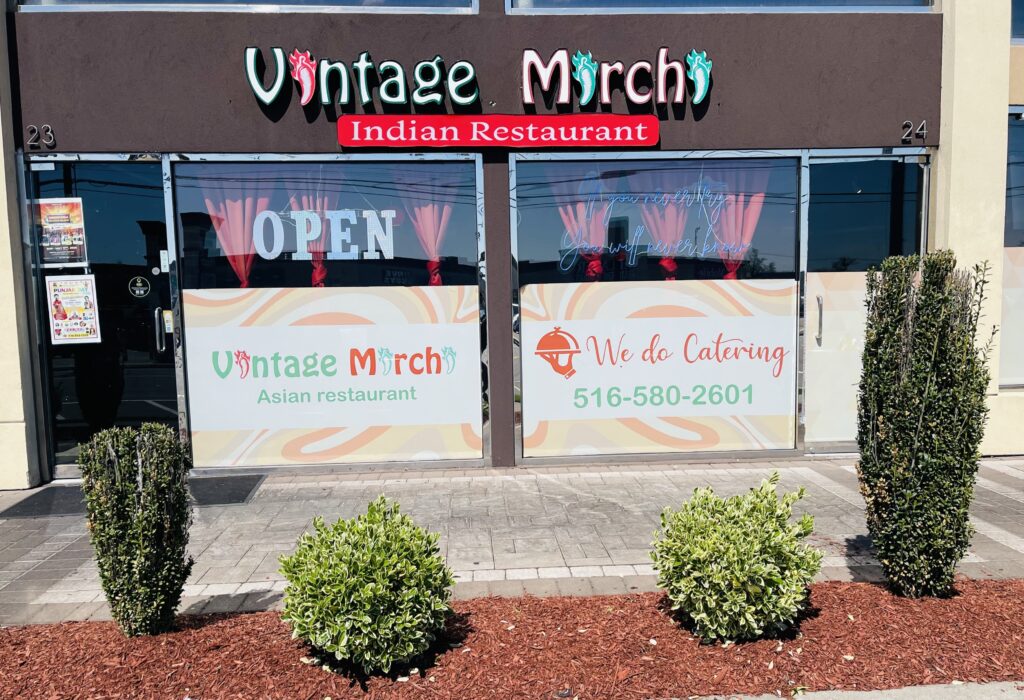
New York City, the city that never sleeps, never stops eating.
Meet Brothers, Parlad and Kuldeep Singh, co-owners of Vintage Mirchi, an Indian restaurant group and one of our small business clients. Mirchi, the Hindi word for chili, means spicy, and they do not disappoint. Think Chili Chicken, a favorite dish of the brothers, and Malai Chicken Tikka, a popular dish among customers. Their extensive menu offers traditional Indian dishes, fusion Chinese cuisine, and a great selection of homemade breads and drinks.
Growing up, both Parlad and Kuldeep had a passion for cooking that runs deep in their family history. As far back as they can remember, their family has been in the catering and hospitality business, cooking for 20-30 people at a time. They grew up surrounded by food and community, and wanted to showcase their talents, culture, and family legacy in New York City.
“We introduced a menu here that represents our home in India and our family,” says Kuldeep. “We also wanted to offer a real Indian dining experience, and Vintage Mirchi is one of the few restaurants to offer both.”
With their first location in Hicksville, New York, home to one of the largest South Asian populations, they found many locals already familiar with their cuisine, building an immediate customer base. But their dream was always to build a restaurant group. Just two years in business, they expanded to open their second location in Richmond Hill, Queens, a neighborhood famously known as “Little Punjab,” and also where the largest Sikh population in NYC resides.
“It can be hard to find a seat on the weekend at the Richmond Hill location,” says Kuldeep. “It’s always packed, so come early!”
But not to worry. If you don’t have time to wait or are hosting a larger group, Vintage Mirchi also offers full suite catering services for business events, weddings, and family gatherings. We are so glad to have provided them with a small business line of credit as working capital for a delivery van to support the operations and growth of their catering business. They also maintain a small business checking account for day-to-day banking needs.
As first-time business owners, Parlad and Kuldeep have learned a lot about employee management, cash flow, projections, and adapting to higher-than-expected food costs. They are thankful to have the guidance of our team.
“Spring Bank provides a personal experience for us as we navigate many new and unpredictable challenges. They do their best to support us quickly, and it’s so helpful to pick up the phone and call our banker,” says Kuldeep.
Find Vintage Mirchi’s full menu here and follow them on Instagram. Check out recent press by CBS News and Newsday. Learn how we can support the growth of your small business, too. From business checking accounts to SBA small business loans, our team is here to help you navigate your best path forward so you can stay focused on what matters most—your business! Get in touch with us here.
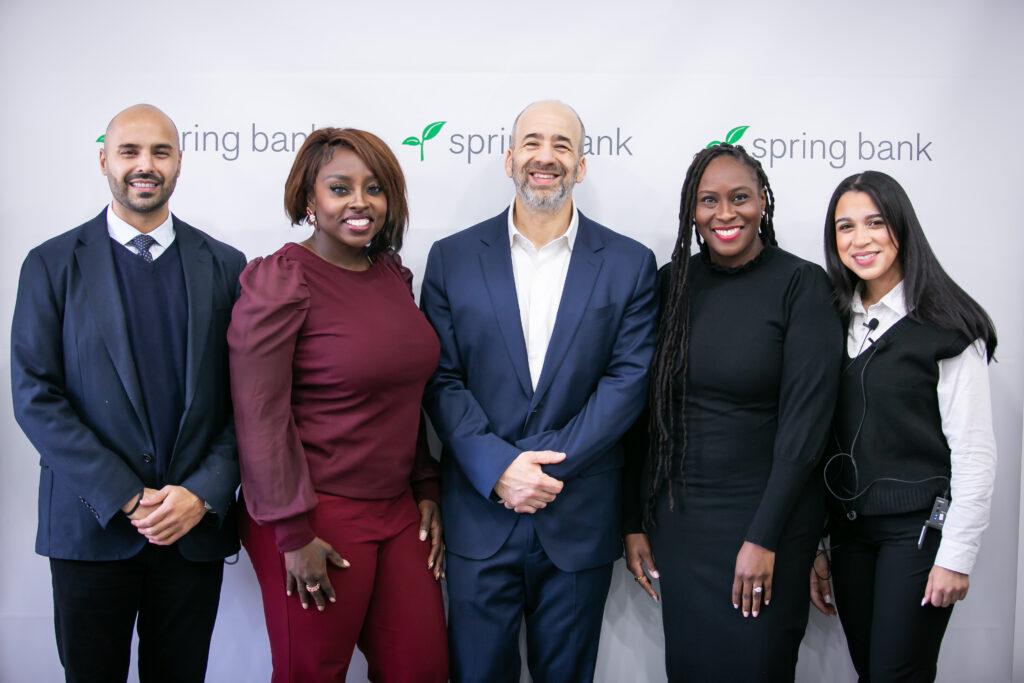
Meet Executives, Changemakers, and Leaders Shaping Culture & Communities Across NYC
May is Small Business Month, and here at Spring Bank, it’s a natural moment to reflect on the entrepreneurs and nonprofit leaders who have built something extraordinary in the neighborhoods we serve. This month and all year long, we’re excited to shine the spotlight on a diverse group of woman-owned businesses and nonprofits who have trusted us as their banking partner.
Whether it’s a small business cooking up nostalgic meals in the Bronx or a nonprofit empowering local youth in Brooklyn, the leaders we’ve had the privilege of working with are running businesses and shaping culture and communities. As a community bank in NYC, supporting women entrepreneurs with the financial tools they need to grow is at the heart of what we do. Read on to learn about and show your support for the amazing leaders behind these organizations:
The Bronx
Small Businesses
Natalia M. Mendez — La Morada | Rooted in the Mott Haven neighborhood in the South Bronx, La Morada is a family-run Oaxacan restaurant preserving Indigenous Mexican cuisine and culture, one mole at a time. Natalia and her family have built not just a critically acclaimed kitchen, but a community institution committed to immigrant rights and local advocacy.
Nneka Bell — Celebrities Quality Painting Inc. | Dr. Nneka Bell is a Navy veteran, construction trailblazer, and advocate for women of color in the trades. After recognizing that her experience as a military aircraft painter made her a natural fit for commercial work, she launched her MWBE-certified firm and hasn’t looked back.
Yenny Castillo — Vineyard Avenue Corp | A Dominican-owned, real estate holding company based in West Nyack, New York, Yenny and her husband opened the business in 2017.
Erica Garcia — Little Exploradores | Little Exploradores is a bilingual, play-based home daycare serving children from infancy through age 12 in the Bronx. Founded by Erica Garcia, the program offers a warm, culturally rich environment where children develop social, emotional, and academic skills through hands-on exploration in both English and Spanish.
Robin Lewis — RL Hair Studio | Robin Lewis has spent over 30 years creating customized wigs for clients nationwide, but her work doesn’t stop at haircare. A licensed cosmetologist, Reiki practitioner, life coach, and podcaster, Robin built RL Hair Studio out of her own experience overcoming depression and self-doubt as a young female entrepreneur. Today, she uses that journey to guide others, offering community coaching sessions alongside her salon services and product line.
Chanel Agyei Oppong — Malina’s Kitchen | Malina’s Kitchen brings authentic West African cuisine to Jerome Avenue in the Bronx, serving traditional dishes like fufu, banku, and groundnut soup seven days a week.
Nonprofits
Isabel Pradas—College Bridge Cafe | Co-founded with the late Kevin Anthony, Isabel Pradas and her team support Bronx residents through career-oriented educational counseling, mentoring, and referral services to access college and other post-secondary education options. Their mission is to motivate and prepare Bronx residents to pursue their dreams and achieve their goals for a better life.
Aisha Norris — DREAM! | Co-founded by South Bronx native Aisha Norris, DREAM! uses restorative justice and arts-based programming to dismantle the school-to-prison pipeline. Aisha and her team knew that corrective discipline was not the answer to student conflicts, so they brought their own solution to NYC schools: restorative justice through the arts.
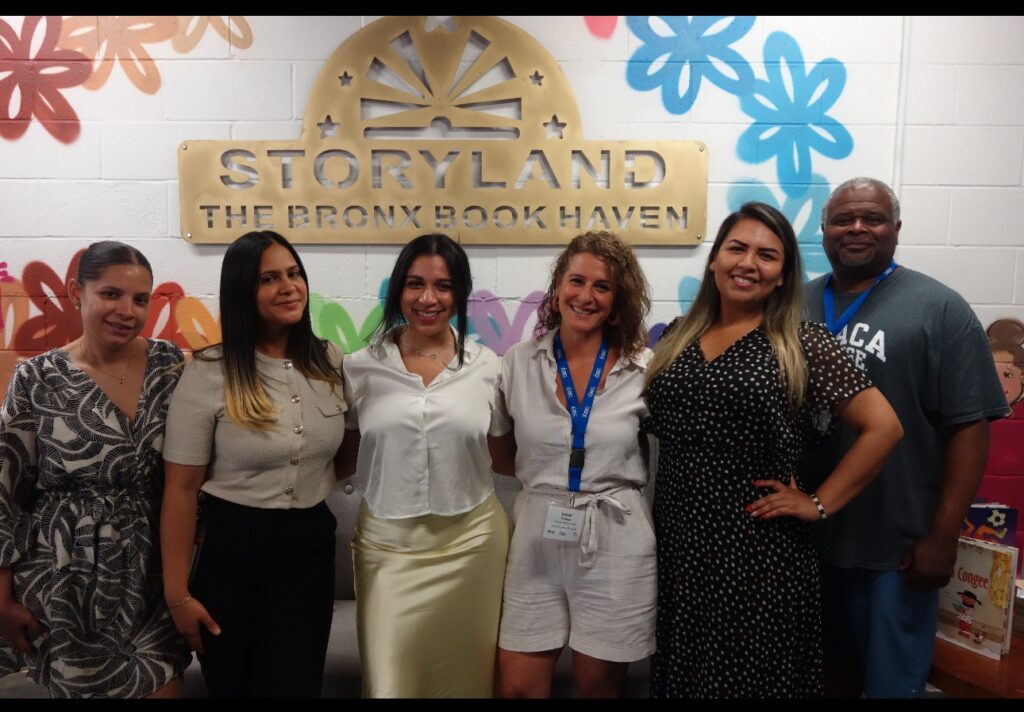
Sulma Arzu Brown — Storyland | Located at the Bronx Terminal Market, Storyland is the borough’s first book lounge designed for children and is a space built to cultivate a lifelong love of reading and learning. Founder Sulma Arzu-Brown has been a champion for literacy and youth development for over 15 years and has been recognized nationally for her work.
Brooklyn
Small Businesses
Sandra Snyder — Lundy’s | Sandra Snyder brought Brooklyn’s iconic Lundy Bros back to life after a 17-year absence, reopening the beloved seafood institution in Red Hook — just blocks from where she and her husband had one of their first dates at the original.
Nonprofits
Carolina Salguero — PortSide New York | PortSide New York advocates for New York City’s working waterfront and connects underserved communities to the harbor’s economic, cultural, and educational resources. Founder Carolina Salguero operates from the historic tanker Mary A. Whalen in Red Hook and was honored by Congress and the White House for her advocacy and Hurricane Sandy relief work.
Tiffiney Davis — Red Hook Art Project | Co-founded in 2009, the Red Hook Art Project provides free visual art, music, and wellness programming to youth ages 8 to 21 in one of Brooklyn’s most resilient neighborhoods. Executive Director Tiffiney Davis, a lifelong Red Hook resident, has secured $1 million in federal funding, expanded programming during the pandemic, and has been recognized with the 2023 Woman of Distinction Award for her work.
Kristina Nagy — Swamp In The City | Founded by Kristina Nagy, Swamp in the City is NYC’s premier Cajun and Creole music festival, bringing the vibrant musical, culinary, and cultural traditions of Southwest Louisiana to the Red Hook waterfront every spring.
Manhattan
Small Businesses

Sarina Prabasi — Buunni Coffee | Sarina Prabasi and her husband Elias Gurmu have built one of northern Manhattan’s most beloved independent coffee companies, with locations in Washington Heights and Inwood. Their ethically sourced Ethiopian beans, micro-roasted weekly, are now also produced out of The Roasting Room, a community co-roasting facility they opened in 2024 in the Bronx’s Hunts Point neighborhood.
Evelyn’s Kitchen—Ayala Donchin | Launched in 2009, Evelyn’s Kitchen started with wholesale baked goods and private chef services. Sixteen years later, EK has grown into a beloved New York City brand, known for its signature Pudgies (delicious, soft, doughy cookies), top-tier catering services, and unwavering commitment to the community.
Jennifer Pawlitschek — Jennifer Pawlitschek Consulting | Jennifer Pawlitschek offers neuroscience-based executive coaching and leadership development for American and global professionals, with a focus on women and diverse populations, helping clients at organizations like Citibank, Bloomberg, and the United Nations move from expertise to impact.
Kelsey Reeder — Kelsey G Reeder LCSW PLLC | Kelsey Reeder is a New York City-based licensed clinical social worker offering psychotherapy, clinical supervision, and specialized support for queer and trans family-building. Her practice is rooted in intersectional, anti-colonialist, and trans-liberatory care.
Rukshinda Rizvi — MaxWell Medical | MaxWell Medical is a state-of-the-art physiotherapy practice founded by the three Rizvi sisters with the vision that Relief is Within Reach. All patients receive specialized care, with services like physical therapy, sports medicine, acupuncture, trigger point therapy, and much more. Rukshinda currently serves as the managing director alongside her sisters.
Nicole A. Mackinlay — Reap What You Sew | Nicole Mackinlay Hahn is a transdisciplinary artist, filmmaker, and advocate whose Reap What You Sew project connects consumers to the human stories behind food, shelter, and clothing, with a particular focus on African artisans and garment workers.
Beyond NYC
Small Businesses
Daysi Briones — IQ Contracting Inc & Associates | Based in Ossining, New York, IQ Contracting is a DBE, WBE, and MWBE-certified general contractor with decades of experience delivering residential, commercial, and public construction projects on time and within budget. Founded by Daysi Briones, the firm handles everything from interior renovations to large-scale exterior restorations.
Nonprofits
Alexandra Barrett — ATB Impact LLC | Based in Brooklyn, ATB Impact LLC provides B2B strategy consulting, supporting leaders with the resources, training, support, and systems that allow them to focus on expanding opportunity for the people they serve. They offer and design leadership development programs, facilitate strategic planning, build operational infrastructure, and create spaces for learning in community.
Janna Marie Hockenjos — Earth Friends Incorporated | Based in New Jersey, Earth Friends is a nonprofit dedicated to early childhood environmental education, offering a nature-based curriculum that teaches young children about ecological relationships, food systems, and their place in the web of life.
Crystal Cron — Presente! Maine | Based in Portland, Maine, Presente! Maine is a grassroots mutual aid organization by and for displaced and dispossessed Afro/Indigenous-Latine immigrants, running survival programs around food sovereignty, community health, and shared leadership.
Bethany Yarrow — The Waterfall Center | Based in the Schoharie Valley of upstate New York, the Waterfall Center for Bioregional Learning is dedicated to land stewardship, Indigenous partnerships, and building community-rooted solutions to the environmental challenges of our time.
Banking Built for What You’re Building
Finding the best small business checking account in New York City means finding a bank that actually understands your community, and that’s exactly what we set out to be. At Spring Bank, our small business checking account options are built for the realities of running a business in this city, alongside small business loans and lines of credit built for businesses at various stages of growth.
We even have tailored solutions for our nonprofit customers, who are often overlooked by traditional banks. As your bank in Bronx, NY, and Red Hook, Brooklyn, we offer personal checking accounts, high-yield savings accounts, and the full range of personal, business, and nonprofit banking solutions to help you and your organization thrive.
If you’re a woman or minority business owner navigating New York’s contracting landscape, a MWBE certification through NYC’s Small Business Services could open meaningful doors, including access to government contracts and resources designed to level the playing field. We’re proud to partner with many of New York City’s certified MWBE businesses, and we’d love to support yours, too.
Learn more about small business banking at Spring Bank.
College Bridge Cafe, A Spring Bank Nonprofit Feature
“One caring adult can change the trajectory of a student’s life. There is room for all of us working together to support Bronx students.” – Isabel Pradas, Co-Founder and Executive Director, College Bridge Cafe
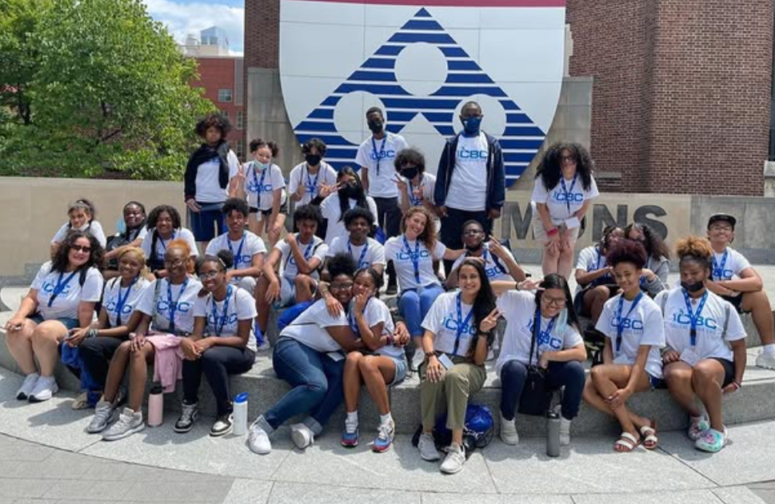
There’s no place as collaborative as the Bronx. Community-based partnerships are the cornerstone of our resiliency, something we learned from day one of opening our headquarters on 167th. Also anchored here in the Bronx is our nonprofit client, College Bridge Cafe, an organization that supports Bronx residents through career-oriented educational counseling, mentoring, and referral services to access college and other post-secondary education options. Their mission is to motivate and prepare Bronx residents to pursue their dreams and achieve their goals for a better life. We are proud to be their partner.
First and foremost, we recognize the profound impact of the recent death of the co-founder, Kevin Anthony. Our hearts, prayers, and condolences are with co-founder and Executive Director Isabel Pradas and her team, and with every student Kevin Anthony served and supported for almost 30 years. Learn in this feature how you can join us in keeping Kevin’s legacy alive by contributing to The Bridge Forward Campaign and the Kevin Anthony Memorial Scholarship, which provides direct financial support to graduating seniors as they take their next step into college or career pathways.
Founded in 2018, College Bridge Cafe provides in-school career development and college prep programming across six New York Public middle and high schools. College Bridge Cafe directly supports over 1,000 students. With a team of just six employees, they rely on their alliances with community partners, colleges, and higher education allies to reach more students.
“Many people don’t know that the Bronx has 13 institutions of higher education. It’s like a mini college town,” says Isabel.
The team at College Bridge Cafes provides class-based workshops, one-to-one support, college trip visits, career day experiences, and workforce development exploration. They recognize that not every student will go to college and help them identify alternative career options, connecting them with community colleges, certificate programs, and apprenticeships.
“We meet students where they are, and help them imagine their lives five, ten, twenty years from now. If traditional college is not for them, we help them identify the skills or credentials they will need, and what they will bring to the table to stand out to prospective employers,” says Isabel.
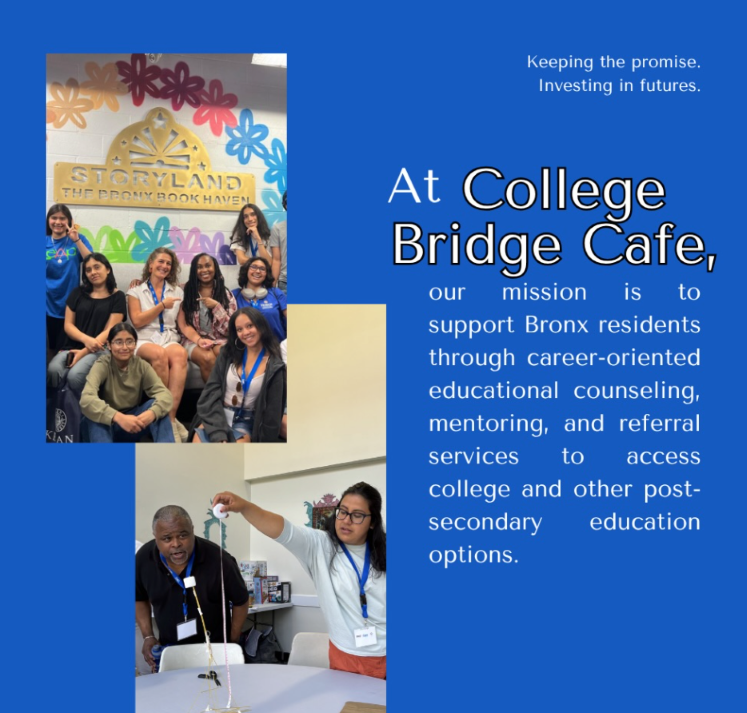
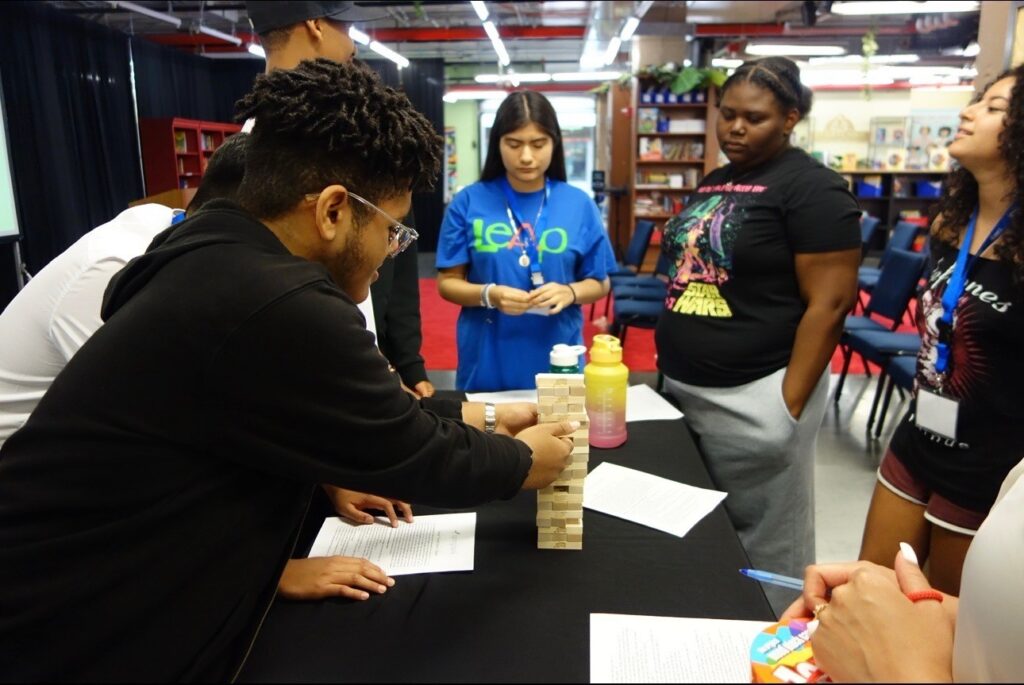
Last month, our team joined College Bridge Cafe at Storyland at the Bronx Terminal and students from four schools for a financial literacy workshop, diving into personal savings, credit-building, and personal financial management 101. We look forward to hosting a series of workshops across their six schools.
“It’s been great to roll out a youth-focused financial literacy program with Spring Bank. Teens connected with leaders who had similar lived experiences and modeled potential career paths. I am very grateful for our banking relationship, and even more that we are working together to make an impact for Bronx students; it’s pretty special,” shares Isabel.
We feel the same way. If you are eager to invest in Bronx youth and the next generation of leaders, we encourage you to donate to the Kevin Anthony Memorial Scholarship. For the first year of the scholarship program, College Bridge Cafe will offer it to their six partner schools, about 400 students, and the award amounts will be based on the total they raise. Rolling out in May, decisions will be made by June, and students will be awarded scholarships by the end of the summer.
“Raising funds to provide scholarships for seniors is something Kevin and I have been wanting to do for years,” says Isabel. “Directly giving students money to help them close the financial gap, or reduce their work hours, to make the load lighter for them, in Kevin’s honor, means everything.”
Learn more about the work and impact of College Bridge Cafe. Donate to their The Bridge Forward Campaign and Kevin Anthony Memorial Scholarship here. Find more information about our Nonprofit Banking Program and how we can help your organization grow here.
A Spring Bank Staff Feature
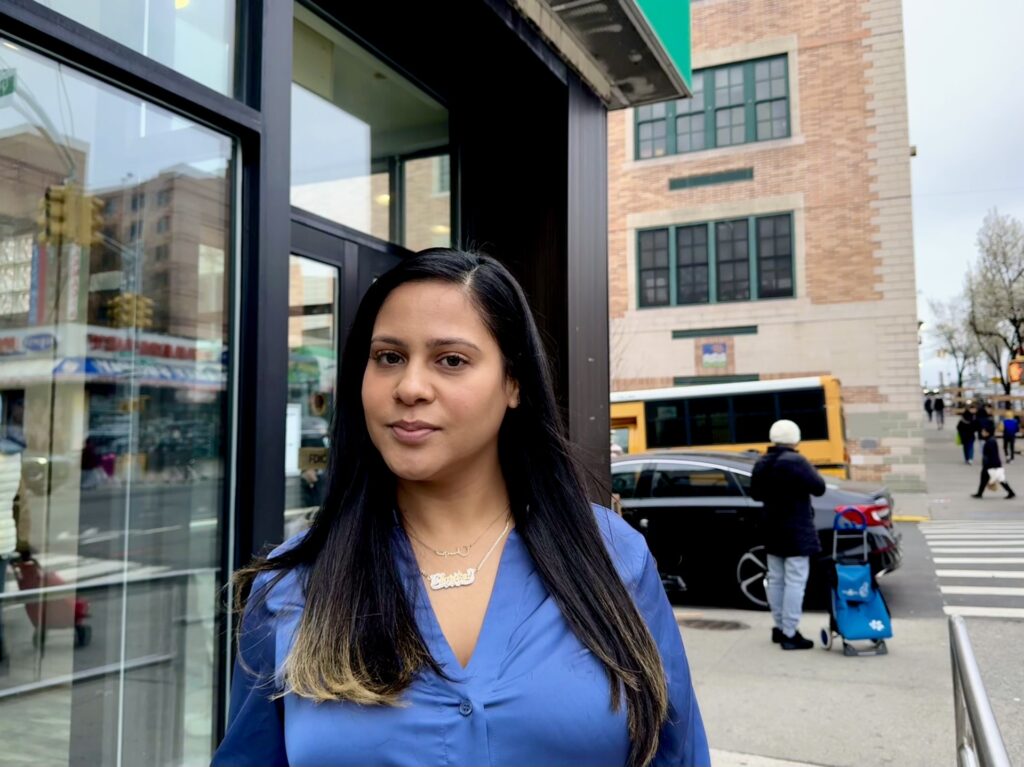
Charitza Colon spent the first three years of her career in early childhood education in the Bronx before making the jump to community banking. Today, she’s a Commercial Loan Servicer with us at Spring Bank, bringing the same focus and detail to our clients’ lending processes that she once brought to her classroom.
Charitza’s Banking Journey
After earning her Associate’s degree, Charitza went on to teach early childhood education at three different schools through the thick of the pandemic, when the demands on teachers were unlike anything the profession had seen. It was challenging, formative work that she looks back on with deep appreciation.
“I have even more respect now for teachers,” she says. “I loved my time teaching, but was ready to turn my desire to serve my community in a different way, and work with adults.”
Despite her love for teaching, Charitza was ready for a new chapter — one where she could continue making a difference in her neighborhood. She wanted to stay connected to the Bronx and to do work that mattered; our commitment to financial inclusion resonated immediately.
We met Charitza through a familiar face: Germarie, our Senior Underwriter. The two went to elementary school together in the South Bronx and are now reconnected as colleagues. Germarie referred Charitza to Elena Gillcrist, our Commercial Loan Servicer, who helped Charitza learn the ins and outs of working at a community bank in New York.
“It was challenging at first, but I had great training. Elena is very thorough and detailed,” Charitza reflects.
Charitza joined our team with no prior banking experience, but plenty of drive and lived experience that connects with our mission. While working full-time at the bank, she also completed her Bachelor’s degree in Business Administration from CUNY and graduated Cum Laude! Her long-term goal is to become an underwriter, with a specific focus on supporting Bronx-based small businesses through our Commercial Lending program.
Since starting her career in banking, Charitza has deepened her belief that financial knowledge is one of the most powerful tools a person can have:
“Stay engaged with your finances and the resources available to you. Don’t hesitate to ask questions because the more informed you are about your financial situation, the more confident you can be in making decisions for your future.”
We couldn’t agree more.
Ready to Work with a Bank That’s in Your Corner?
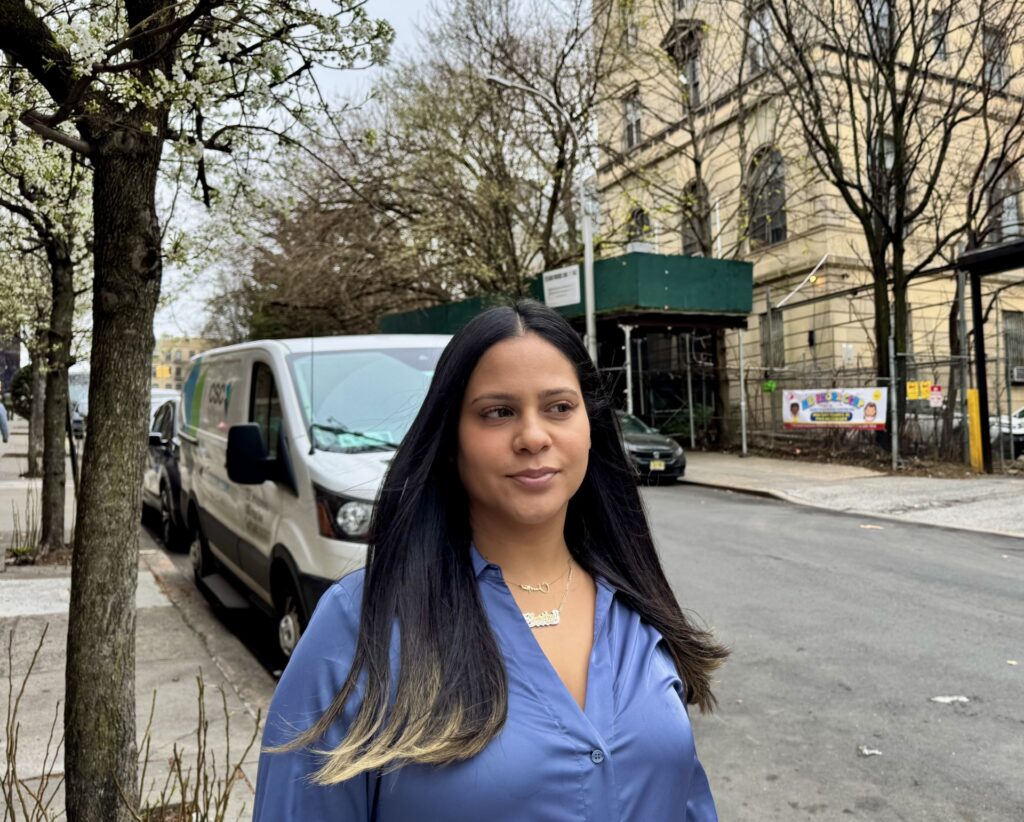
We’re proud to have leaders like Charitza on our team, and proud to serve the community she grew up in. If you’re a small business owner looking for financing options from banks in the Bronx, our Commercial Lending products are a good place to start. We’d love to hear from you!
Get to know other members of the Spring Bank team, like Accountant Jayson, Red Hook Branch Manager ReyJane, and Senior Underwriter Germarie. Learn about our other small business banking offerings, like affordable small business checking accounts, and our mission of financial inclusion.
A Roadmap and Action Plan for Wealth-Building for Every Stage of Life
In Partnership with Nonprofit Partner, GreenPath Financial Wellness

Financial planning isn’t just about budgeting or investing—it’s about navigating real-world conditions that affect earnings, savings, and long-term security. It takes practice to become thoughtful financial decision-makers. The key is designing a plan that accounts for income variability, longevity, and shifting life priorities. The strategies below walk through smart money moves from teens to retirement, while recognizing that everyone’s timeline is unique.
Teens & Early Adulthood: Building the Foundation
This stage is about confidence and habits, not perfection. Learning early how money flows—income, expenses, savings, and credit—gives you decision-making power throughout your life. Many people who succeed financially describe beginning with small wins like tracking spending, setting savings goals, and practicing intentional money behavior before they had big amounts to invest.
Start with clear, realistic goals: open your first personal checking account and personal savings account so you can see how money comes and goes. Learn a simple budget structure like 50% needs / 30% wants / 20% savings or debt reduction, and understand your credit (how it’s built and why it matters for loans, renting, and insurance). Paying attention now saves stress and interest payments later.
Actions:
- Treat saving like a bill. Set up a small automatic transfer into your personal savings account right after payday. This “pay yourself first” habit helps habits stick and builds financial muscle.
- Save 5–10% of part-time income or allowances; this builds both cushion and discipline.
- Keep credit card balances low and pay on time to establish a strong credit history that can reduce borrowing costs later.
These steps help your money choices become intentional rather than impulsive, laying the foundation for healthier financial decisions in the future.
Early Career & Financial Independence: Laying the Groundwork
Once you start earning regularly, whether that’s in your early 20s or later, financial planning becomes about systemizing your money and protecting yourself from setbacks. At this stage, building a safety net and beginning to save for long-term goals are priorities.
Financial experts recommend an emergency fund of three to six months of essential living expenses, held in an accessible personal savings account. This reserve provides security and prevents a turn to high-interest credit when unexpected expenses arise.
Craft a budget that reflects your lifestyle while prioritizing savings and debt reduction. Automating transfers to your personal savings account and retirement accounts makes progress consistent, even when life gets busy. Strengthening credit continues to pay off—good credit scores can reduce interest rates on loans and improve access to housing or financing.
Actions:
- Contribute at least enough to your employer’s retirement plan to capture any match; it’s a guaranteed return on your money.
- Automate savings so you “pay yourself first” before discretionary spending.
- Track your bills and payments so that you never miss a due date. Timely payments are the largest factor in your credit score.
At this stage, the goal isn’t perfect saving; it’s building momentum and resilience. You don’t have to navigate your financial journey alone. GreenPath Financial Wellness can help build a roadmap to long-term security—at every stage. Get in touch with them here. Learn more about our personal savings account and personal checking account options. And, stay tuned for part 2 of ‘Why Financial Planning Matters’ in May!
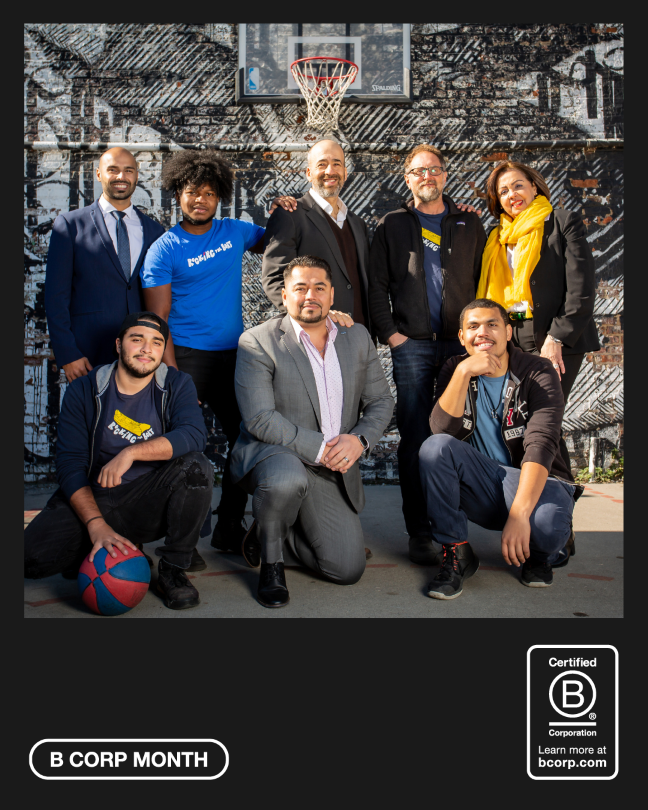
This March, we celebrate one of our proudest accomplishments: joining the B Corp movement. In 2016, we became the first B Corp-certified bank in New York State, and today, we remain among the highest-rated B Corp banks in the country.
The B Corp movement is built on the idea that business can be a force for good, meeting the needs of customers and communities while also achieving business goals. We’ve learned that real progress requires partnerships. For us, that has always meant showing up alongside the nonprofits, community organizations, and underserved communities that traditional banks have historically left behind.
Banking Where It’s Needed Most
Founded in 2007 in the South Bronx as the only bank to establish its base in the borough in over a quarter century, we set out to work in neighborhoods where high-cost check cashing and predatory lending were unfortunately the norm. 19 years later, our mission hasn’t changed. We continue to lead on our promise of community-first banking and are especially driven by our B Corp values.
Most recently, we opened a new branch in Red Hook, Brooklyn, a neighborhood that had long been underserved by traditional financial institutions. Without a local bank for over a decade, residents and small businesses were forced to travel outside the neighborhood for every transaction or spend money on high-cost alternative financial services. Since opening the branch over a year ago, we’ve established partnerships with local organizations, including the Red Hook Initiative and Red Hook Art Project, and are working to build relations with the Red Hook community.
Products and Partnerships That Move Our Communities Forward
Another way we put our B Corp values into action is by creating community-inspired products, like our Credit Builder Loan and Nonprofit Banking Program, that support the day-to-day financial health of all New Yorkers.
From fee-free nonprofit checking accounts and flexible working capital lines of credit to small business loans built for borrowers traditional banks turn away, every product we offer is intentionally designed. We know that a nonprofit waiting on a government contract reimbursement can’t afford to wait on their bank, too. We know that a delivery worker without a credit history still deserves access to a safe, reliable bike. So, we build our products accordingly.
Our GoGreen Cycle Loan especially embodies what it means to be a B Corp. Offered in partnership with local bike shops across the city, it provides affordable e-bike financing with no credit score requirement, making sustainable transportation accessible to the workers who need it most. How’d we get it done? Once again, thanks to our local nonprofit partnerships. As a founding member and board member of The E-Mobility Project (TEMP), a nonprofit working to advance mobility options and sustainability in New York City, we worked together to design and launch the GoGreen Cycle Loan, which was the first of its kind!
The B Corp movement asks businesses to consider their impact on every stakeholder, including workers, communities, and the environment, and our work is a direct expression of that. We’ve spent nearly 20 years building relationships with mission-driven organizations across New York City that are doing the hard, essential work of keeping communities afloat. We’ve also supported – and continue to support – nonprofits, small businesses, and everyday New Yorkers with the financial tools they need to carry out essential daily tasks.
So, whether you need a small business checking account, a personal checking account, or personal or business financing, we’ve got you covered with products that are community-focused and backed by our B Corp values.
The B Is Just the Beginning
We’ve always understood that our B Corp certification isn’t a finish line, but a framework for continuous improvement, and one we hold ourselves to every single day. Here’s to many more years of community-first banking and to everything still ahead! Thank you for being part of our journey.
Ready to bank with a purpose? Explore our personal and business banking options or learn more about our nonprofit banking program. You can also visit our B Corp profile to learn more about what our certification means and the standards we’re committed to upholding.
A Spring Bank Small Business Story
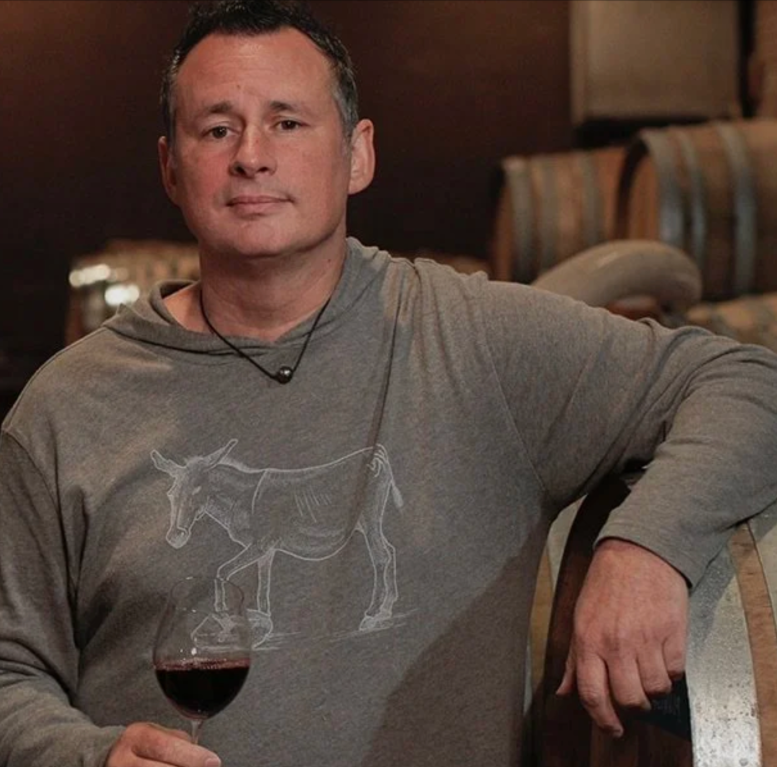
Founded by Mark Snyder, The Red Hook Winery opened its doors in 2008, at a time when starting a new venture came with plenty of risks. The economy was shaky, Brooklyn’s waterfront was still finding its footing, and Red Hook remained largely overlooked. For Mark, that uncertainty wasn’t a deterrent, but rather an invitation to build the 10,000 square foot waterfront winery overlooking New York Harbor that we’re familiar with today.
“I’ve always believed that challenging times are the best times to go all in,” Mark tells us. “It shows your commitment to the people and the place. If you can survive the hard moments, the good ones take care of themselves.”
The Red Hook Winery stands out as an urban winery – the first of its kind in Brooklyn, built on the idea that New York wine didn’t need to be exclusively from upstate to be authentic. Grapes could be grown across the state, brought to the city, and transformed into something meaningful right at the edge of the harbor.
The winery eventually moved to its current home on Pier 41, completing construction just days before Hurricane Sandy made landfall in October 2012. Two days later, the space was underwater, leaving Mark with a difficult choice: rebuild or walk away. Not only did he choose to stay, but he also became a vocal advocate for recovery, helping draw attention, resources, and support to a neighborhood that needed all three.
Mark’s commitment to revitalizing the winery paid off, with The Red Hook Winery coming back stronger, more resilient, and more intentional about its role in the community. The challenges didn’t stop with Hurricane Sandy, though.
While working with the state on waste-management solutions for the winery, Mark and his colleague, Colin Lus, realized that making grappa (a spirit distilled from grape pomace) could reduce their organic waste by 80 percent. What seemed like an innovative solution turned into a legal battle when federal regulators questioned their licensing in 2016.
No longer constrained by legal issues, Mark took the opportunity to launch a cidery in 2020, during the pandemic. Today, the cidery continues to grow, and Mark remains committed to uplifting the small business community in Red Hook. Both The Red Hook Winery and the cidery serve as homes for New York agriculture and viticulture, supporting and promoting other local producers.
“Our model has always been that all ships rise with the tide,” says Mark. “If we support other New York producers, the whole region gets stronger. Our competition isn’t each other—it’s overseas.”
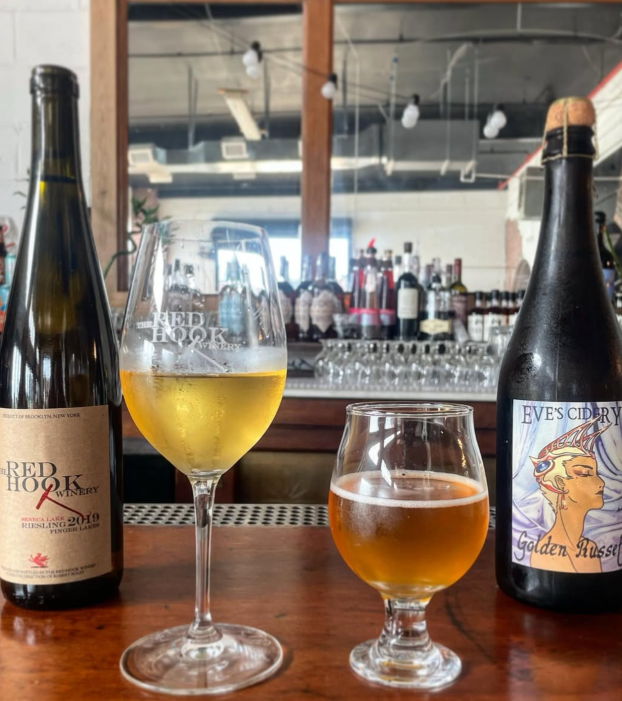
As a community bank in New York with a branch in Red Hook, that’s a philosophy that speaks to us. Since joining the Red Hook community in late 2024, our focus has been on uplifting local small businesses and supporting them with affordable banking solutions. Having worked with his wife, Sandra, the owner of Lundy Bros, we were so excited to also welcome Mark as a small business checking account customer.
“Spring Bank’s arrival in Red Hook is so crucial for people who can’t travel, to just have access to local banking,” Mark emphasizes. “It has been fantastic for me because, first of all, they’re lovely people. They’re very easy to do business with. They’re very accommodating, very professional yet casual, and they know who I am.”
It’s been a pleasure working with Mark as we’ve continued to deepen our roots in the Red Hook community. Through our partnership, we’ve not only learned about his journey with The Red Hook Winery and cidery, but also about the evolution of Red Hook itself over the past decade.
Mark is also a founder and board member of the Red Hook Business Alliance, which is committed to the economic vitality of the Red Hook community and the preservation of one of NYC’s most dynamic and unique waterfront neighborhoods.
“If the neighborhood succeeds, we all succeed,” says Mark.
We look forward to watching The Red Hook Winery continue to grow and adapt within an ever-changing landscape. While Red Hook is constantly evolving and challenges are inevitable, they’ve never slowed Mark’s stride – a quality shared by so many of the neighborhood’s small business owners. Looking ahead, Mark is focused on organic growth, strengthening relationships, and empowering the Red Hook community.
Visit The Red Hook Winery and the cidery at Pier 41 to get a taste of Brooklyn-made wine on the waterfront. If you’re a Red Hook business owner looking for affordable banking solutions, including small business checking accounts and nonprofit checking accounts, visit us at 356 Van Brunt St., Brooklyn, NY 11231.
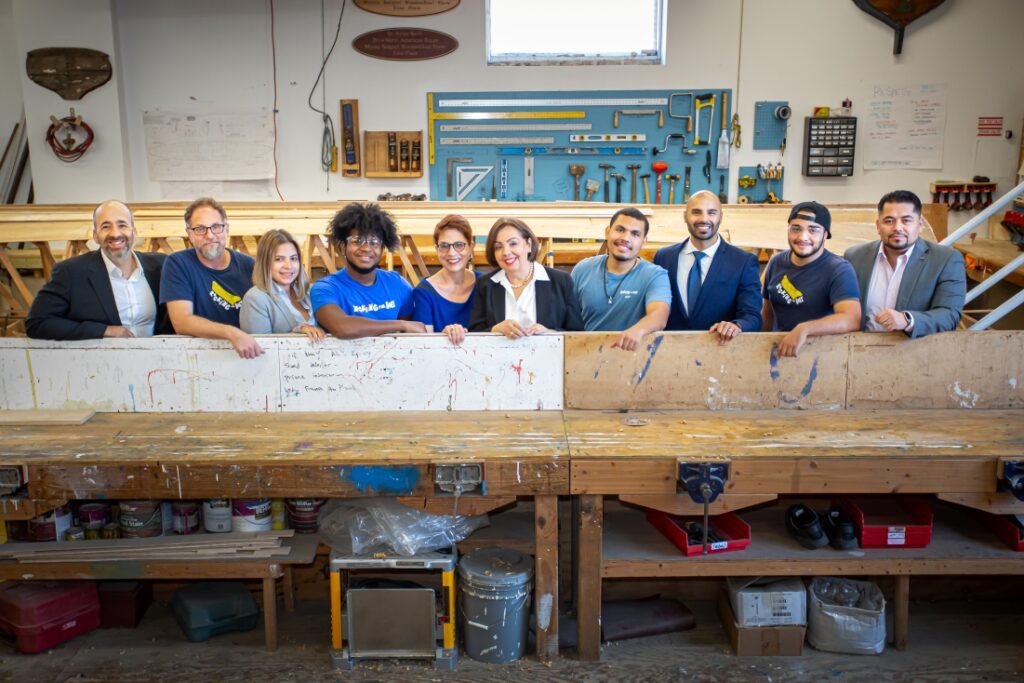
Running a successful nonprofit in New York is no small accomplishment – between navigating grant reimbursement delays, managing unpredictable cash flow, and keeping programs running while waiting on contract payments, the financial pressure never really lets up. Most traditional banks don’t take the time to understand these unique financial predicaments, but we do.
As New York’s first certified B Corp bank and a Community Development Financial Institution (CDFI), we’ve built a nonprofit banking program tailored to how nonprofits actually operate. By supporting nonprofits, we’re ensuring that our communities can continue to access life-changing services from these mission-driven organizations.
Nonprofit Lending: Flexible Financing That Moves With Your Mission
One of the major challenges that nonprofits face is working capital, which is why we offer flexible financing options to support your nonprofit’s mission and make an impact. These funds can be used for working capital, debt refinancing, leasehold improvement, expansion, and more.
Nonprofits that bank with us can choose from a variety of Commercial Lending options, including our Working Capital Line of Credit, a flexible lending product designed specifically around the financial rhythms of nonprofit organizations.
As a community bank in New York, we understand that nonprofits face a unique challenge most lenders don’t:, money owed and receivables take time to arrive. Government contracts reimburse after the fact. Grants have disbursement timelines. Programs have to keep running while you wait for revenues to clear. A working capital line of credit bridges that gap, allowing organizations to cover payroll and staffing, vendor and operating expenses, and program delivery costs without interrupting services.
What makes our nonprofit line of credit different from other banking products?
- Competitive, transparent pricing with no hidden fees
- Flexible terms aligned with grant and contract timing, so repayment actually fits your funding cycle
- No mandatory annual “clean-up” period that forces organizations to pay down the balance and disrupt ongoing operations
- Dedicated relationship support from bankers who understand the nonprofit lending landscape
This is the kind of financing that nonprofits need, and we’re proud to be their trusted banking partner.
Fee-Free Nonprofit Deposit Accounts and Cash Management Tools
Beyond flexible lending, we offer a full suite of nonprofit deposit accounts and money management tools built to make day-to-day operations easier:
- No monthly fees for nonprofit deposit accounts
- Competitive rates on savings, money market accounts, and CDs
- Mobile deposits and 24/7 online and telephone banking
- Remote Deposit Capture (RDC) for organizations processing bulk check donations
- Cash management and controls, including Positive Pay, ACH/e-wire transfers, and account alerts
- Seamless integration with Quicken®, QuickBooks®, and Autobooks®
- Zelle® for Business for fast payments and collections
- Full FDIC coverage through CDARS and ICS for organizations with larger deposit balances
For a busy nonprofit team managing donor contributions, contract payments, and vendor invoices simultaneously, having these tools in one place is an operational advantage.
Relationship-Based Banking That Understands Nonprofit Realities
What sets us apart isn’t just a list of products and features, but the philosophy behind them. We offer relationship-based banking for nonprofits, which means every nonprofit gets direct access to our Business Commercial Lending team. That level of personal service especially matters when you’re trying to bridge a funding gap or move quickly on payroll. As one of our nonprofit partners, Robert Cordero, Executive Director of Grand Street Settlement, put it:
“I think it was the first time a CEO of a bank texted me directly to tell me we were approved for a loan. It was faster, more efficient — and because Spring Bank has experience in nonprofit lending, they knew exactly what we needed to meet the lending requirements.”
Deeply Rooted in the Neighborhoods We Serve
Our commitment to nonprofits is at the heart of our mission. As a CDFI, we’re dedicated to serving underserved communities and supporting economic development where it’s needed most. As New York’s first B Corp bank, we’re certified to the highest standards of social and environmental performance, accountability, and transparency.
That community focus is especially reflected in our nonprofit partnerships. We serve nonprofits across the Bronx and Brooklyn, including organizations like the Red Hook Art Project, a Brooklyn-based nonprofit that has been providing free visual arts, music, and academic instruction to youth in Red Hook since 2009. The Red Hook Art Project is exactly the kind of community-focused organization we were built to support, and since we opened our Red Hook branch, they’ve made it so easy for us to stay active in the community and support impactful programs.
“Being able to partner with a bank that understands the community, the culture that’s here, and the people that are here, while also wanting to serve them is very powerful. I’m in awe to be in partnership with Spring Bank and have moved my bank from Chase to them. I think that they’ll do a lot of important work here in Red Hook.” – Tiffiney Davis, Executive Director of the Red Hook Art Project.
Why Nonprofits Choose Us for Their Banking Needs
For nonprofit executive directors and CFOs searching for a community bank for nonprofits in New York, the decision often comes down to trust, flexibility, and understanding. We offer all three.
Our nonprofit banking program is built on the idea that organizations doing important community work deserve a financial partner that understands their mission. Whether you’re a small arts organization in Brooklyn or a financial capabilities provider in the Bronx, we bring the same level of dedicated, relationship-driven service to every partnership and banking decision.
If you’re looking for nonprofit banking in New York, a working capital loan for nonprofits, or simply a fee-free nonprofit checking account backed by a banker who knows your name, we’re ready to be your trusted banking partner.
Ready to grow your impact together?
Connect with a Spring Bank nonprofit banking specialist today.
Spring Bank is a Member FDIC, Equal Housing Lender, Certified CDFI, and New York’s first B Corp bank.